
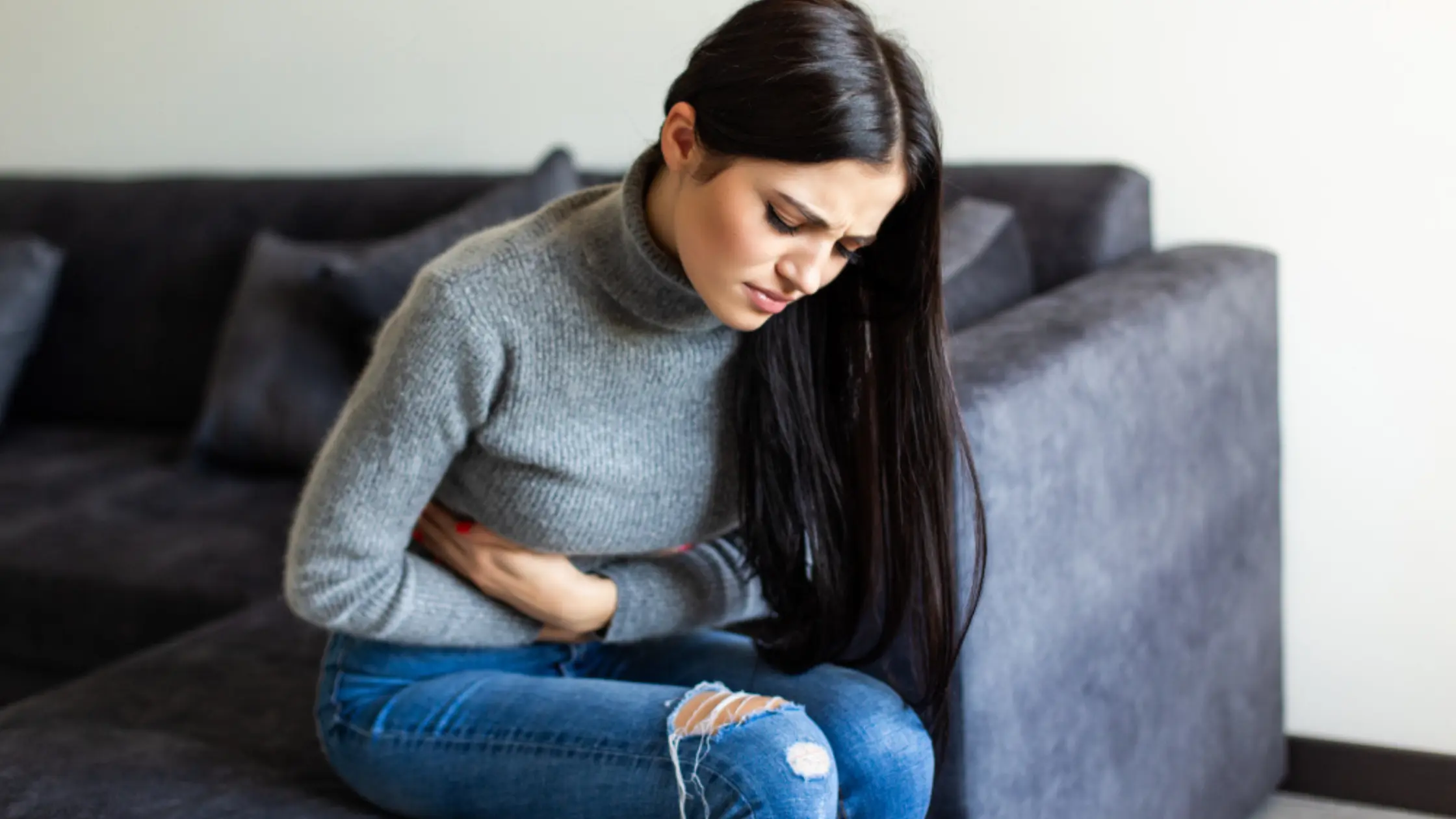
Dysmenorrhea ( Menstrual Cramps / Pain )
Painful menstrual periods – Medical health professionals call it “Dysmenorrhea”.
In addition to cramping, there might be other additional symptoms, such as nausea, vomiting, leg pain, back pain, fatigue and diarrhoea or constipation.
It happens because the Uterus contracts to shed its innermost layer or lining called Endometrium.
The pain typically begins just before the period and subsides after a few days.
Primary dysmenorrhea: refers to recurrent pain during periods with no identifiable cause.
Secondary dysmenorrhea: results from some cause and conditions like endometriosis, Adenomyosis, Fibroids etc
There is a common myth that Menstrual cramps is a part of normal menstrual cycle and settles with age or after marriage or after delivery. To some extent this is true. But not every menstrual cramp is a normal component of the menstrual period.
Mild to moderate menstrual cramping is normal. But some women have such severe pain during their period that it interferes with their day-to-day life and affects the quality of life.
Hot water bags, Medication and other treatments can help in relieving menstrual pain.
Types of Dysmenorrhoea
Primary dysmenorrhea:
Primary dysmenorrhea is menstrual cramps that the woman gets every time, but there is no definite underlying medical condition.
Primary dysmenorrhea is the more common type of dysmenorrhea.
Pain usually begins one or two days before the period or when the bleeding actually starts. Pain may be mild to severe in the lower abdomen ( Pelvis ) back or thighs. The pain usually subsides within two or three days.
Secondary dysmenorrhea:
If the painful periods are because of some condition or an infection in the reproductive organs, it’s secondary dysmenorrhea.
Pain from secondary dysmenorrhea usually begins earlier in your menstrual cycle and lasts longer than typical menstrual cramps. For example, women may experience cramping several days before the period and the pain may last until the bleeding completely stops. Secondary dysmenorrhea is less common.
Is Dysmenorrhea normal?
It’s normal to have some pain during menstruation. About 60% of females with uterus have mild cramps during their period. About 5% to 15% of females report period pain that’s so severe that it affects their daily activities.
However, this number is likely higher, as many women don’t consult a doctor.
In most cases, painful periods become less painful as age increases. They may also improve after giving birth.
Symptoms and Causes
Primary Dysmenorrhoea
Menstrual cramps happen when a chemical called prostaglandin makes the uterus contract. During menstruation, prostaglandin levels are higher, which means the uterus contracts more strongly. This felt like cramping and discomfort. These contractions help to shed the Endometrium (uterine lining), which is the blood and tissue that comes out through vagina during the period. Pain is directly proportional to the level of Prostaglandin.
Symptoms of Dysmenorrhea:
- Period pain is felt like Aching, throbbing pain in the lower abdomen.
- Feeling pressure in the pelvis.
- Pain in the hips, lower back and inner thighs.
- Other symptoms like nausea, dizziness and headaches.
In most cases, the pain begins in the 24 to 48 hours before the period starts and subsides within 48 hours of getting the period.
Secondary dysmenorrhea
Menstrual pain from secondary dysmenorrhea is a result of a condition affecting the reproductive organs.
Common causes include:
Endometriosis: A condition where the tissue lining the Uterus ( endometrium) grows outside of the Uterus. As the endometrium sheds out of the body in the form of menstrual blood, in endometriosis the endometrium and glands get accumulated inside a body organ. Which causes swelling, scarring and pain.
Adenomyosis: A condition where the endometrium grows into the muscle of the uterus. This condition can cause the uterus to get much bigger than it should be, along with abnormal bleeding and pain.
Fibroids: Usually Noncancerous growths inside, outside or within the walls of the uterus.
Sun mucus fibroids, those growing inside the uterine cavity and displacing the endometrium, causes painful periods with heavy menstrual bleeding.
Pelvic inflammatory disease (PID): An infection caused by bacteria, Protozoa that starts in the uterus and can spread to other reproductive organs. PID can cause pain in the lower abdomen or pain during sex.
Cervical stenosis: A condition where the cervix narrows due to surgery, treatment or other condition.
Congenital conditions: A girl born with Certain conditions can cause painful menstruation. This may include an irregularly shaped uterus, Non communicating rudimentary horn or other conditions affecting the ovaries or fallopian tubes.
Other conditions like Isthmocele, Ovarian cysts, Bladder or bowel endometriosis, Misplaced Cu T etc….
Risk factors for dysmenorrhea
Incidence is higher if:
Early Menarche: A girl gets her first menstrual period before the age of 12.
First few years after starting the periods.
Periods are heavy or last longer than 1 week.
Smoking.
Family History.
Complications of Dysmenorrhoea
Menstrual cramps because of primary dysmenorrhoea usually don’t cause complications, other than disrupting daily life during periods. But if painful periods are because of secondary dysmenorrhoea, there can be complications. For example, conditions like endometriosis, Fibroids or pelvic inflammatory disease can lead to physical, mental, social, economical issues leading to poor quality of life, Anaemia ( Low Hemoglobin ) Fatigue, infertility, ectopic pregnancy, Depression, etc. This is why it’s important to see a healthcare provider so they can rule out an underlying cause of Dysmenorrhea.
Diagnosis and Tests
History of illness and Clinical examination (internal check-up) will be very helpful to arrive at clinical diagnosis and the findings are confirmed by Ultrasonography.
Hysteroscopy and Laparoscopy: Are invasive methods and not recommended for only diagnostic purposes.
Hysteroscopy: A thin, lighted telescope is used to visualise inside the uterus. The device transmits images over a screen. Same setting cause of secondary dysmenorrhoea can be treated.
Laparoscopy: A tiny incision over the abdomen and then uses a laparoscope to view the pelvic organs. Similarly the cause can be treated during the same setting.
Management and Treatment
Women try some natural ways of relieving period pain like:
- Extra Rest
- Applying heating pad or hot water bottle over lower abdomen or back when there is a pain.
- Adequate water intake.
- Taking a high fibre diet and laxatives if associated with constipation.
- Avoiding foods that contain caffeine.
- Avoiding smoking cigarettes and drinking alcohol.
- Gentle Massaging lower back and abdomen.
- Women exercising regularly, doing Yoga and meditation tend to have less menstrual pain.
Acupuncture and acupressure. - Relaxation or breathing exercises.
- Eating anti-inflammatory foods like leafy green vegetables, ginger and nuts, and drinking green tea.
- Taking supplements like vitamin D or magnesium, which may help reduce inflammation.
If these are not working and pain is increasing then
NSAIDs and other pain killers are prescribed:
Pain killers called nonsteroidal anti-inflammatory drugs (NSAIDs) are often the first line of treatment for dysmenorrhea. ( Ibuprofen or Naproxen ), which are available over the counter. It’s best to take these as soon as cramping begins. If you can’t take NSAIDs, you can take another pain reliever like acetaminophen.
If still Dysmenorrhoea persists then need to evaluate the cause of Dysmenorrhoea and plan the treatment.
Hormonal medications
Hormonal birth control pills as a treatment. Women who take hormonal medications tend to have less menstrual pain. This could include birth control options like the pill, patch, implant, Intra Uterine System.
If testing shows that the Dysmenorrhea is of secondary type, then an expert doctor will help to treat the condition causing Dysmenorrhea either by medications or surgery.
Prevention
No, Dysmenorrhea can’t be prevented. However, eating a balanced diet and doing regular yoga, meditation and physical exercise may help stop cramps from being as intense.
Consult Expert when:
Pain is Severe or unusual menstrual cramps or cramps lasting for more than 3 days
Dysmenorrhoea not getting relieved by rest, Hot bag or may be with painkillers tablets
Gradually increasing Dysmenorrhoea affecting quality of life or prevent from doing normal tasks
Keep a track of menstrual periods which includes pain score over the pain scale, duration and quantity of flow. If you notice an increase in any of the parameters then consult an Expert Gynaecologist.
Several women suffer in silence
Every woman deserves a good quality of life.

