
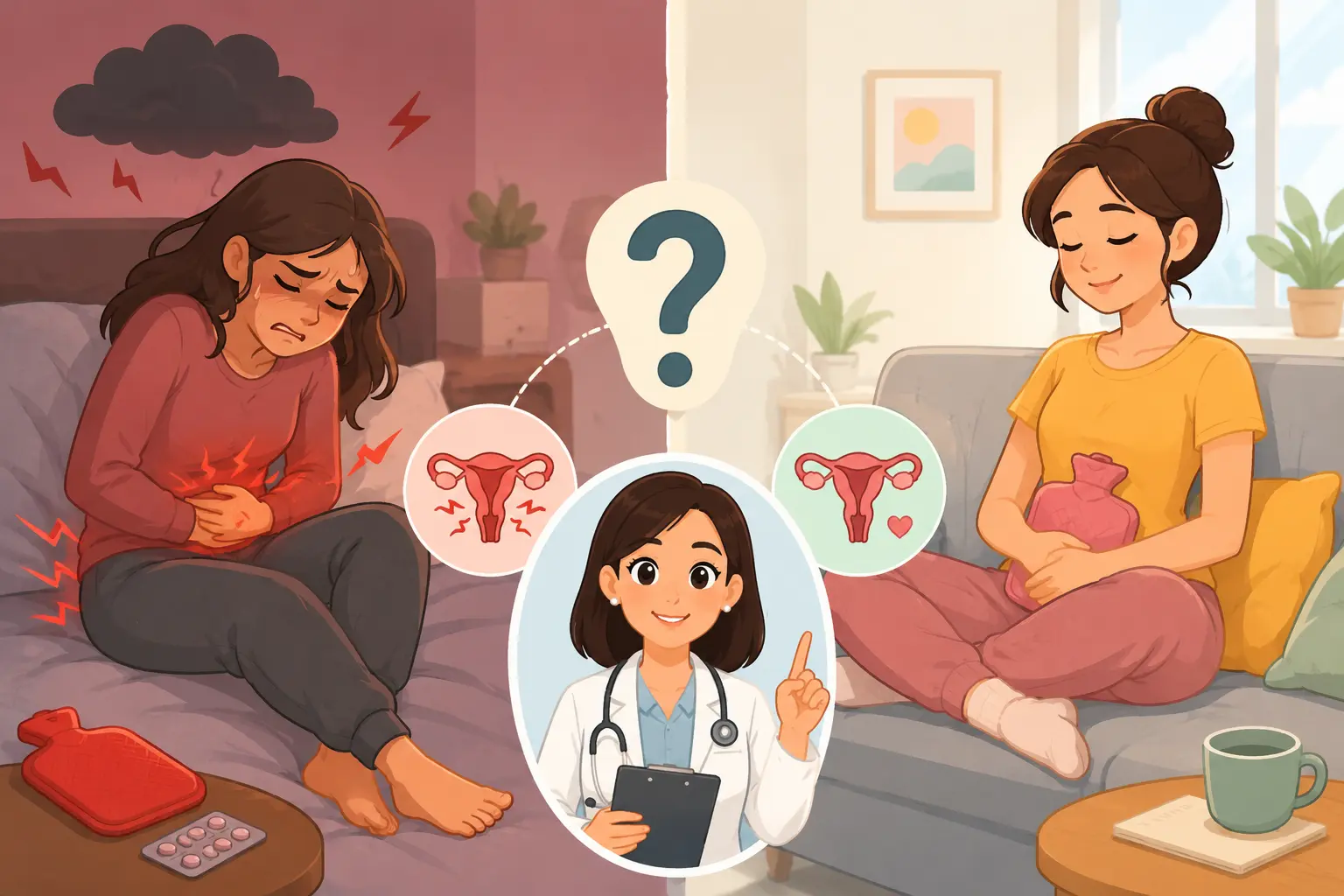
Periods are a natural part of every woman’s life, and mild discomfort during menstruation is quite common. But when period pain becomes so severe that it affects your daily routine, work, sleep, or emotional well-being, it may no longer be considered “normal.”
Many women in Pune often ignore painful periods, assuming it is just a regular part of the menstrual cycle. However, severe menstrual cramps may indicate a condition called dysmenorrhea, which may require medical attention.
Understanding the difference between normal period pain and dysmenorrhea can help you take the right steps toward better reproductive health.
At Dr. Balaji Nalwad Reddy’s clinic in Pune, women receive advanced diagnosis and personalized treatment for painful periods, endometriosis, fibroids, infertility concerns, and complex gynecological conditions.
What is Dysmenorrhea?
Dysmenorrhea is the medical term for painful menstrual cramps that occur before or during periods. These cramps usually happen in the lower abdomen and may sometimes spread to the lower back and thighs.
While some pain during periods is normal, dysmenorrhea refers to pain that is intense, recurring, and often disruptive to everyday life.
There are two main types of dysmenorrhea:
1. Primary Dysmenorrhea
This is common menstrual pain that is not caused by any disease or medical condition. It usually starts within a few years after the first period and is caused by natural chemicals called prostaglandins that trigger uterine contractions.
2. Secondary Dysmenorrhea
This type of pain happens because of an underlying gynecological condition such as:
- Endometriosis
- Uterine fibroids
- Adenomyosis
- Pelvic inflammatory disease (PID)
- Ovarian cysts
- Uterine polyps
- Cervical stenosis
- Pelvic adhesions
Secondary dysmenorrhea usually starts later in life and often gets worse over time.
Normal Period Pain vs Dysmenorrhea
Many women ask: “How do I know if my pain is normal or serious?”
Here is a simple comparison:
| Normal Period Pain | Dysmenorrhea |
|---|---|
| Mild to moderate cramps | Severe or unbearable pain |
| Lasts 1–2 days | Lasts several days |
| Manageable with rest | Affects work and daily life |
| No major additional symptoms | Heavy bleeding, nausea, fainting |
| Improves with age | Often worsens over time |
If your pain forces you to cancel plans, miss office work, avoid school, or rely heavily on painkillers every month, it may be time to consult a gynecologist.
Common Symptoms of Dysmenorrhea
Symptoms may vary from person to person, but common signs include:
- Severe lower abdominal cramps
- Lower back pain
- Pain radiating to thighs
- Heavy menstrual bleeding
- Nausea or vomiting
- Headache
- Fatigue
- Dizziness
- Loose motions
- Pain during intercourse
- Irregular periods
- Difficulty getting pregnant
These symptoms are especially important if they worsen month after month.
What Causes Dysmenorrhea?
Primary Dysmenorrhea Causes
Primary dysmenorrhea mainly occurs due to excessive prostaglandin production. These chemicals make the uterus contract strongly, causing pain and cramping.
Secondary Dysmenorrhea Causes
Secondary dysmenorrhea is caused by underlying reproductive health issues.
Some major causes include:
Endometriosis
A condition where tissue similar to the uterine lining grows outside the uterus, causing severe pain and infertility.
Fibroids
Non-cancerous growths in the uterus that may cause heavy bleeding and painful periods.
Adenomyosis
When the uterine lining grows into the muscular wall of the uterus, leading to painful and heavy periods.
Pelvic Infections
Infections in reproductive organs can cause inflammation and severe menstrual pain.
Ovarian Cysts
Some ovarian cysts can trigger pain during menstruation.
When Should You See a Gynecologist?
You should not ignore painful periods if:
- Pain suddenly becomes severe
- Pain starts after years of normal periods
- Period pain is getting worse every month
- Over-the-counter painkillers no longer help
- You have very heavy bleeding
- Periods are irregular
- You experience pain during intercourse
- You are trying to conceive but facing difficulty
- Pain affects your office, college, or home routine
These signs may suggest secondary dysmenorrhea and need expert evaluation.
How Dysmenorrhea is Diagnosed
At Dr. Balaji Nalwad Reddy’s clinic, diagnosis starts with understanding your symptoms, menstrual history, and pain pattern.
Further evaluation may include:
- Pelvic examination
- Ultrasound scan
- Hormonal evaluation
- Blood tests
- Hysteroscopy
- Laparoscopy for advanced diagnosis
With over 23+ years of clinical experience and more than 20,000 successful surgeries, Dr. Balaji specializes in advanced gynecological laparoscopic and robotic procedures for accurate diagnosis and effective treatment.
Treatment for Secondary Dysmenorrhea
Treatment depends on the root cause.
Lifestyle and Medical Management
For mild to moderate cases:
- Anti-inflammatory pain relief medicines
- Hormonal treatment
- Birth control pills
- Heat therapy
- Regular exercise
- Stress management
- Healthy sleep routine
- Nutritional support
Advanced Surgical Treatment
When the cause is structural, surgery may be the best solution.
Dr. Balaji Nalwad Reddy is highly experienced in:
- Advanced laparoscopic surgery
- Robotic gynecological surgery
- Endometriosis management
- Fibroid removal surgery
- Hysteroscopy
- Fertility-preserving procedures
- Complex infertility-related surgeries
His expertise in minimally invasive surgery helps patients recover faster with less pain and better long-term outcomes.
Why Women in Pune Trust Dr. Balaji Nalwad Reddy
Choosing the right gynecologist is important when dealing with chronic menstrual pain.
Women trust Dr. Balaji because of:
- 23+ years of experience
- 20,000+ surgeries performed
- Advanced laparoscopic and robotic expertise
- Specialized treatment for endometriosis and fibroids
- Fertility-focused care
- International training and expertise
- Patient-first consultation approach
He is known for managing complex gynecological conditions with precision and compassionate care.
Can Dysmenorrhea Affect Fertility?
Yes, especially if caused by:
- Endometriosis
- Fibroids
- Adenomyosis
- Pelvic infections
- Ovarian disorders
Ignoring painful periods for years may delay diagnosis and affect fertility outcomes.
Early treatment can significantly improve reproductive health and pregnancy planning.
Final Thoughts
Painful periods should never be normalized if they are affecting your life.
Mild cramps are common, but severe pain is your body’s way of asking for attention.
If you are struggling with painful periods every month, do not ignore the signs. Early diagnosis can prevent complications and improve your quality of life.
Whether it is dysmenorrhea, endometriosis, fibroids, infertility, or heavy bleeding, expert gynecological care can make a major difference.
Book Your Consultation in Pune
If you are looking for expert treatment for painful periods, secondary dysmenorrhea, endometriosis, or menstrual health concerns in Pune, consult Dr. Balaji Nalwad Reddy today.
Take control of your menstrual health with the right diagnosis and advanced treatment.
Your periods should not control your life.
