
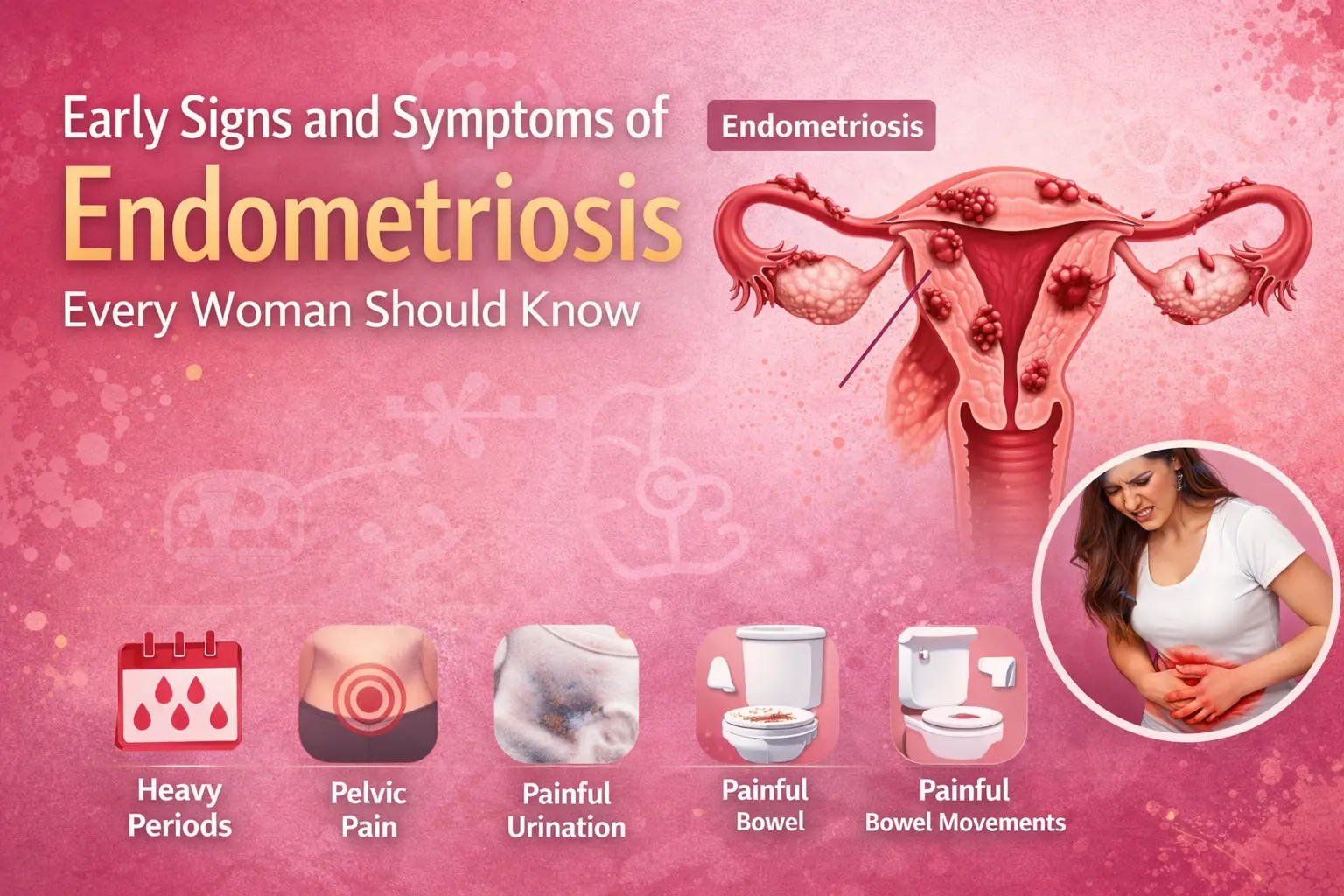
Endometriosis is a chronic and often misunderstood gynecological condition that affects millions of women worldwide. Despite being common, it frequently goes undiagnosed for years because early symptoms are mistaken for “normal” period pain or digestive issues. Awareness is the first step toward timely diagnosis and effective treatment.
In this blog, Dr. Balaji Nalwad Reddy, a trusted gynecologist and laparoscopic surgeon in Aundh, Pune, shares medical insights into the early signs and symptoms of endometriosis helping women recognize when it’s time to seek expert care.
What Is Endometriosis?
Endometriosis occurs when tissue similar to the uterine lining (endometrium) grows outside the uterus commonly on the ovaries, fallopian tubes, pelvic lining, or bowel. These tissues respond to hormonal changes during the menstrual cycle, causing inflammation, pain, and sometimes scar tissue formation.
Early detection plays a crucial role in managing symptoms, preserving fertility, and improving quality of life.
1. Painful Periods (Dysmenorrhea)
Severe menstrual cramps that worsen over time or do not respond to painkillers can be an early sign of endometriosis. Unlike typical period pain, this discomfort may start days before menstruation and continue throughout the cycle.
Red flag: Pain that interferes with daily activities or work.
2. Chronic Pelvic Pain
Persistent pain in the lower abdomen or pelvic region even outside menstrual periods is a common early symptom. The pain may feel sharp, dull, or throbbing and can intensify during physical activity.
3. Pain During or After Intercourse
Painful intercourse (dyspareunia), especially deep pelvic pain, is often reported by women with endometriosis. This symptom should never be ignored, as it may indicate lesions behind the uterus or near pelvic ligaments.
4. Heavy or Irregular Menstrual Bleeding
Women with endometriosis may experience:
- Excessively heavy periods
- Prolonged bleeding
- Spotting between cycles
Such changes in menstrual patterns may signal hormonal imbalance or endometrial tissue growth outside the uterus.
5. Digestive Issues Often Mistaken for IBS
Bloating, constipation, diarrhea, nausea, or pain during bowel movements especially during periods can be early indicators of endometriosis affecting the intestines.
Important: If digestive symptoms worsen during menstruation, consult a gynecologist, not just a gastroenterologist.
6. Fatigue and Low Energy Levels
Chronic inflammation, heavy bleeding, and ongoing pain can lead to extreme fatigue. Many women report feeling exhausted even after adequate rest.
7. Difficulty Conceiving
Endometriosis is a leading cause of infertility. Some women may not experience severe pain but struggle with conception, making fertility issues an early sign in certain cases.
Why Early Diagnosis Is Often Missed
- Symptoms overlap with PMS or IBS
- Pain is normalized in women’s health
- Lack of awareness about endometriosis
- Delayed referral to specialists
According to clinical experience, many women take 7–10 years to receive a proper diagnosis. Consulting an experienced gynecologist early can significantly reduce this delay.
When Should You See a Specialist?
You should seek medical advice if you experience:
- Severe or worsening menstrual pain
- Chronic pelvic pain
- Painful intercourse
- Digestive symptoms linked to periods
- Difficulty getting pregnant
Early consultation allows for conservative management and better long-term outcomes.
Expert Care for Endometriosis in Aundh, Pune
Dr. Balaji Nalwad Reddy is known for his expertise in diagnosing and treating complex gynecological conditions, including endometriosis. With advanced laparoscopic techniques and patient-focused care, he provides personalized treatment plans based on symptom severity, fertility goals, and lifestyle needs.
His approach emphasizes:
- Accurate diagnosis
- Minimally invasive treatment
- Fertility-preserving solutions
- Long-term symptom relief
Women in Aundh, Pune, and nearby areas trust his clinical experience for compassionate and evidence-based care.
Final Thoughts
Endometriosis is not “just bad period pain.” Recognizing the early signs can make a life-changing difference. If your symptoms feel persistent, severe, or disruptive, listen to your body and seek expert guidance.
Early diagnosis means better pain control, improved fertility outcomes, and a healthier future.
If you suspect endometriosis, consult an experienced gynecologist to take the first step toward relief.

