
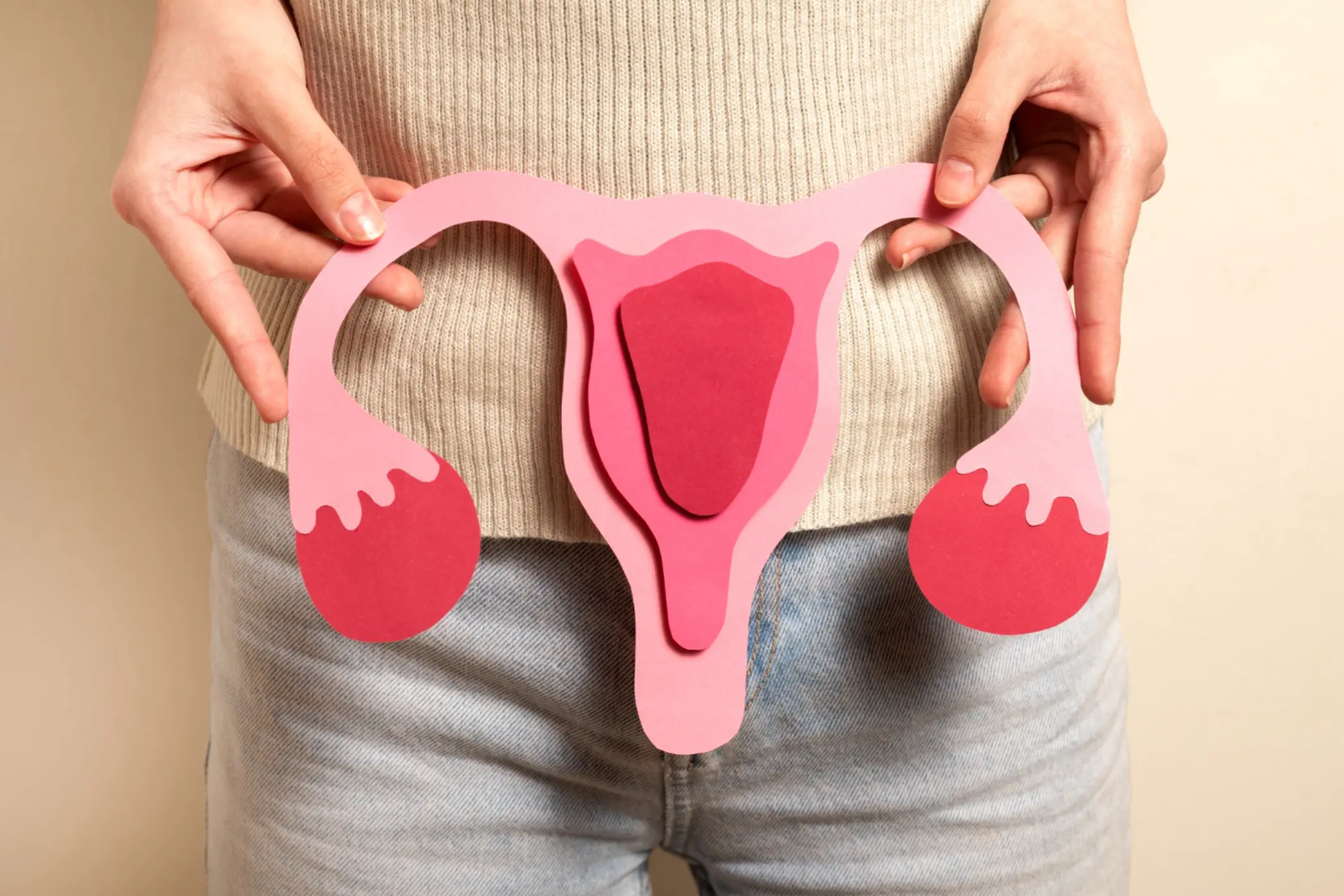
If you’ve just been told you have an ovarian cyst, your first instinct might be panic. But here’s something important to know: not every ovarian cyst is dangerous, and many women live with them without even realising it. The real question isn’t just “Do I have a cyst?” it’s “Should I be worried about this one?”
In this blog, we’ll walk you through everything you need to understand about ovarian cysts the kinds that quietly resolve on their own, the warning signs that demand immediate attention, and when to see a specialist for ovarian cysts treatment in Pune or Aundh.
What Exactly Is an Ovarian Cyst?
An ovarian cyst is a fluid-filled sac that forms on or inside an ovary. They are incredibly common most women will develop at least one during their reproductive years. In many cases, cysts form as a natural part of the monthly menstrual cycle and go away without any treatment.
The ovaries produce eggs every month. When the process doesn’t complete as expected the follicle (the sac holding the egg) either doesn’t release the egg or doesn’t dissolve after releasing it a cyst forms. These are called functional cysts, and they are almost always harmless.
Types of Ovarian Cysts: Not All Are the Same
Understanding the type of cyst you have is the starting point for any treatment decision.
1. Functional Cysts (Usually Normal)
- Follicular cysts forms when the follicle doesn’t release an egg
- Corpus luteum cysts forms when the follicle doesn’t dissolve after ovulation
These cysts are typically small (under 5 cm), cause little to no symptoms, and often disappear on their own within 1–3 menstrual cycles.
2. Pathological Cysts (May Need Treatment)
- Dermoid cysts – contain tissue like hair, skin, or teeth.
- Endometriomas – caused by endometriosis; tissue from the uterine lining grows on the ovary
- Cystadenomas – grow from ovarian tissue; can become quite large
These types do not resolve on their own and often require medical intervention.
3. Polycystic Ovaries (PCOS)
In PCOS, multiple small cysts form on the ovaries due to hormonal imbalance. This is a complex condition that goes beyond just cysts and affects fertility, periods, and metabolism.
4. Ovarian Cancer Cyst – Not very common
What’s “Normal” When Living with an Ovarian Cyst?
Many women experience mild, manageable symptoms that don’t always need treatment. Here’s what’s generally considered within the normal range:
- Mild bloating or a feeling of fullness in the lower abdomen
- Dull ache or pressure on one side of the pelvis
- Occasional spotting between periods
- Slight discomfort during sexual intercourse
- Feeling more tired than usual during or after your period
These symptoms are common with functional cysts. If you’ve been diagnosed with one and your doctor has confirmed it’s small, monitoring it over a few cycles is a completely reasonable approach.
When Should You Be Concerned? Red Flags That Need Immediate Attention
The tricky part about ovarian cysts is that some can silently grow larger or, in rare cases, twist or rupture both of which are medical emergencies. Learn to recognise the warning signs that should never be ignored:
- Sudden, severe pelvic or abdominal pain especially on one side
- Pain accompanied by fever and vomiting
- Feeling faint, dizzy, or experiencing rapid breathing
- Abdominal pain that comes on quickly and intensifies
- Significant bloating that appears suddenly
- Painful periods that interfere with daily life
- Difficulty getting pregnant (may point to endometriomas or PCOS)
- Decrease appetite or weight loss
If you experience any of the above, seek emergency medical care or consult a specialist immediately. A ruptured ovarian cyst or ovarian torsion (twisting) can be life-threatening if left untreated.
Ovarian Cysts and Fertility: What You Need to Know
One of the most common concerns women have is whether an ovarian cyst will affect their ability to conceive. The answer depends on the type and cause of the cyst:
- Functional cysts rarely affect fertility and usually don’t require any treatment before trying to conceive.
- Endometriomas can damage ovarian tissue and significantly reduce egg reserve over time early treatment is crucial.
- PCOS-related cysts are closely tied to ovulation problems and hormonal imbalance, requiring targeted fertility treatment.
- Large cysts of any type may need to be removed before IVF or other fertility procedures.
If you’re planning a pregnancy and have been told you have an ovarian cyst, a consultation with a fertility-focused gynaecologist is strongly recommended.
How Are Ovarian Cysts Diagnosed?
The primary tool for diagnosing ovarian cysts is an ultrasound either a transabdominal or transvaginal scan. This helps your doctor understand:
- The size and location of the cyst
- Whether it’s fluid-filled, solid, or mixed
- If it appears to have any concerning features
In some cases, additional tests like blood markers (CA-125), MRI scans, or hormonal panels may be recommended. A proper diagnosis is key because treatment decisions are very different depending on what type of cyst you have.
Ovarian Cysts Treatment Options From Watchful Waiting to Surgery
The good news: most ovarian cysts are treated conservatively. Here’s how doctors typically approach treatment:
Watchful Waiting
For small, functional cysts, your doctor may recommend monitoring with repeat ultrasounds every 4–6 weeks. No medication or surgery is needed.
Hormonal Management
Oral contraceptive pills may be prescribed to prevent new cysts from forming, though they don’t shrink existing ones.
Laparoscopic Cystectomy (Keyhole Surgery)
For persistent or larger cysts, minimally invasive laparoscopic surgery is the gold standard. The cyst is removed while preserving the ovary and ovarian tissue — especially important for women who wish to conceive.
Endometrioma-Specific Treatment
Endometriomas require excision surgery (not just draining), ideally performed by a specialist experienced in endometriosis management. Draining alone leads to recurrence.
Emergency Surgery
Ovarian torsion or a ruptured cyst requires immediate surgical intervention.
Choosing the right treatment at the right time makes all the difference in outcomes — and that’s why the expertise of your surgeon matters enormously.
Consult Dr. Balaji Nalwad Reddy – Expert Ovarian Cysts Treatment in Pune (Aundh)
If you’ve been diagnosed with an ovarian cyst and aren’t sure what your next step should be or if you’ve been living with discomfort and want real answers it’s time to speak with someone who truly specialises in this area.
Don’t wait for your symptoms to worsen. The earlier an ovarian cyst is evaluated by a specialist, the more treatment options you have including fertility-preserving approaches. Take that first step today.
This blog is for informational purposes only and does not replace professional medical advice. Please consult Dr. Balaji Nalwad Reddy or a qualified gynaecologist for diagnosis and treatment personalised to your condition.

