
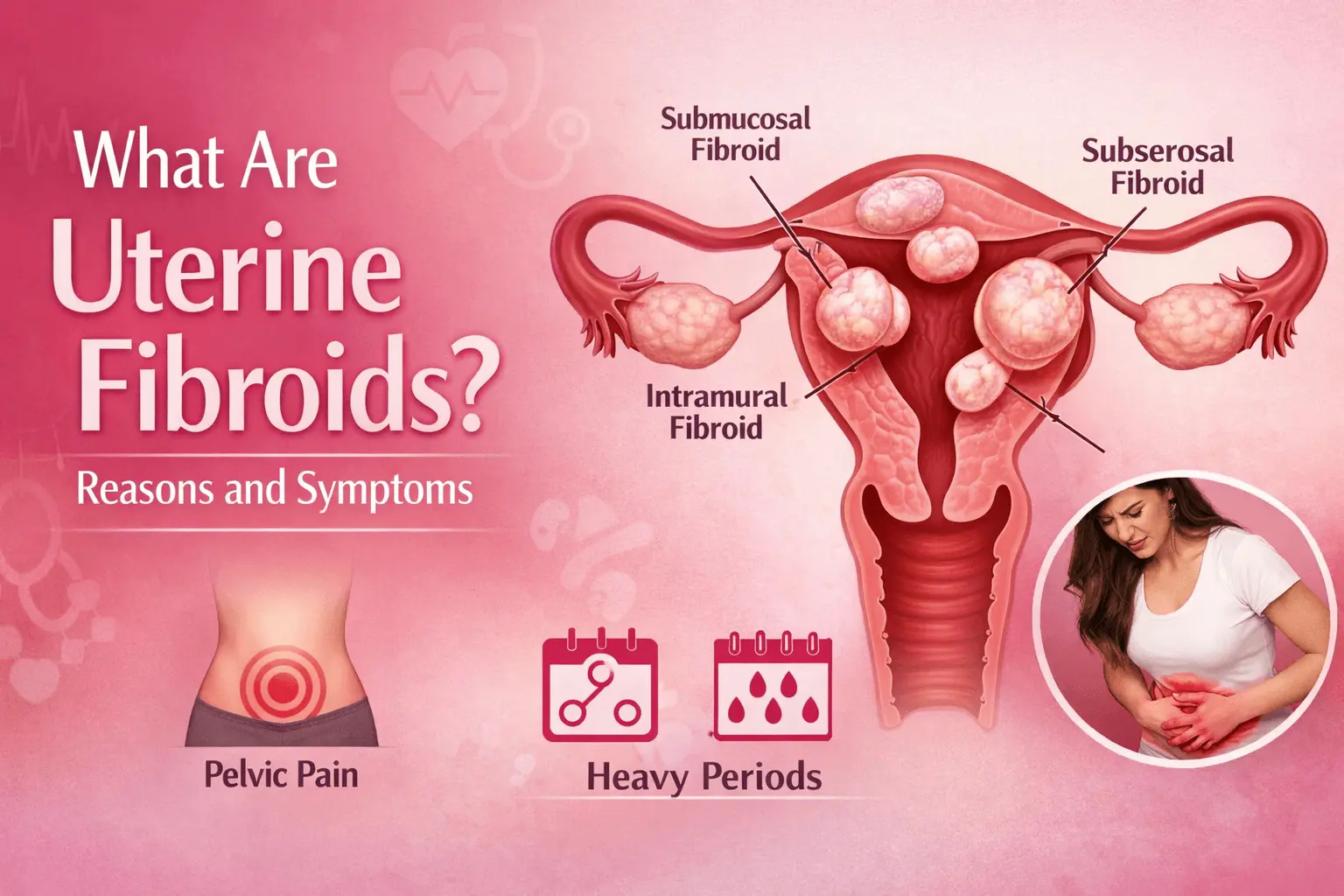
Discover the causes, symptoms, and treatment options for uterine fibroids. A complete guide to understanding and managing this common women’s health condition.
Fibroids are becoming increasingly common among women in their 20s and 30s, There is real and apparent rise in the incidence of fibroid among the ladies of this age group. Meaning the detection has increased because of better understanding of menstrual problems by today’s women if we compare with the past where painful periods or heavy bleeding during periods were considered as a normal component of menstrual cycle.
So, women in their 20s & 30s are not ignoring their menstrual problems and consulting their doctors early as well as easy accessible sonography centres is contributing to early diagnosis as well
The experts point to several factors contributing to this trend:
In advanced medical science the biology of fibroid is still poorly understood and exact cause of occurrence is not clear. So, Few common reasons are
Reasons for Uterine Fibroids
– Lifestyle Changes: Poor dietary habits, rising stress levels, and sedentary routines are likely playing a significant role. Consuming high amounts of red meat, fast food, and processed meats may also increase the risk.
– Hormonal Imbalances: Early puberty, obesity, and exposure to hormone-mimicking chemicals in plastics, cosmetics, and processed foods can disrupt hormonal balance, leading to fibroid growth.
– Genetics: Family history also plays a part; if your mother or sister has fibroids, you’re more likely to develop them.
– Vitamin D Deficiency: Limited sun exposure and poor diet may contribute to vitamin D deficiency, which is linked to fibroid development.
– Delayed Childbirth: Pregnancy and breastfeeding can reduce fibroid risk, so delayed childbearing may increase exposure to hormonal changes.
– Obesity: Excess weight increases estrogen production, fueling fibroid growth.
– Stress: Chronic stress can alter hormone levels, contributing to fibroid development.
– Environmental Toxins: Exposure to chemicals in pesticides, plastics, and cosmetics may mimic estrogen’s effects, promoting fibroid growth
To reduce your risk, consider maintaining a healthy weight, eating a balanced diet rich in fruits, vegetables, and whole grains, managing stress, and staying physically active.
Uterine Fibroids Symptoms
Subserous fibroids can grow quite large and even fill most of the abdomen without causing noticeable symptoms. On the other hand, even a small submucosal fibroid may lead to significant discomfort. This is why the location of the fibroid often matters more than its size.
Heavy or prolonged menstrual periods, or painful periods
This is the most common symptom. Women may notice:
• Periods lasting much longer than before (for example, 10 days instead of the usual 4–5 days)
• Bleeding that becomes so heavy it causes tiredness, discomfort, and difficulty managing daily tasks
• The need to change pads or tampons every hour, making it challenging to go to work or carry out routine activities
Other symptoms may include:
• Abdominal (tummy) pain
• Lower back pain
• Frequent urge to urinate
• Constipation
• Pain or discomfort during intercourse (dyspareunia)
• A feeling of fullness or pressure in the lower abdomen
Get personalized and compassionate care for uterine fibroids. Reach out to Dr. Balaji Reddy in Pune today.

